Photographic Safaris: Capturing the Drama of the Wildebeest Migration 2026 with Blue Lilac Tours
Ever dreamt of capturing that heart-stopping moment, the raw power of nature unfolding right before your lens? I mean, who hasn’t, right? We at Blue Lilac Tours live and breathe Kenyan safaris, especially when it comes to the epic Wildebeest Migration. We know this land like the back of our hand, meaning your photographic journey will be smooth, insightful, and frankly, unforgettable. Forget those generic tours; we craft experiences tailored just for you, ensuring you’re always in the prime spot. 😉
Our deep local expertise and personalized service are your secret weapons in securing those truly once-in-a-lifetime shots. We don’t just take you to the migration; we immerse you in its drama, guaranteeing you the best vantage points for capturing every incredible detail. Trust us, this isn’t just a trip; it’s an artistic expedition.
The Great Migration: More Than Just a River Crossing
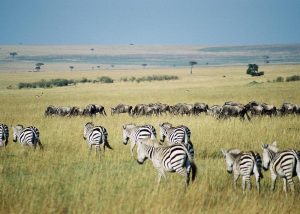
So, you think you’ve seen drama? Wait till you witness the Great Migration. It’s not just a river crossing; it’s a raw, untamed spectacle of survival, a truly jaw-dropping event where millions of wildebeest, zebra, and gazelles make their perilous journey across the plains. Talk about a Kodak moment, right?
This natural wonder is an annual circular migration, and capturing it through your lens requires a bit of insider knowledge – something we have in spades.
Timing is Everything, My Friend
You don’t want to miss the main event, do you? July to October is when the action really heats up in Kenya, especially in the Maasai Mara. This is when the herds arrive, and those iconic river crossings, a true test of courage, are most likely to occur. FYI, patience is key here!
The precise timing can vary slightly each year, depending on rainfall, but our guides are always in the know, tracking the herds for you.
Where to Position Your Lens
Our expert guides know the Maasai Mara National Reserve like their own backyard. They’ll position you perfectly for those dramatic shots of wildebeest leaping into the Mara River, crocodiles lurking, and predators stalking. It’s nature’s reality show, and you’ve got a front-row seat!
Beyond the river, the vast plains offer incredible opportunities for capturing predator-prey interactions and stunning landscape shots.
Gearing Up for Glory: Your Photographic Arsenal
Before you even think about hitting that shutter, let’s talk gear. You wouldn’t go to a gourmet dinner with just a plastic fork, would you? Your photographic safari demands the right tools to capture these once-in-a-lifetime moments. IMO, preparedness is half the battle!
Having the right equipment can make all the difference between a good shot and a truly spectacular one.
The Essentials: Your Camera Body and Lenses
Trust me, having two camera bodies is a game-changer; nobody wants to miss a shot while fumbling with lens changes. A powerful telephoto lens is non-negotiable for those intimate wildlife portraits, while a good wide-angle will capture the vastness of the Mara. Think big, shoot bigger!
Consider lenses ranging from 70-200mm to 300mm or even 500mm and above for those really close-up details.
Don’t Forget the Extras (Seriously!)
Extra batteries? Check. More memory cards than you think you need? Double-check. The African dust is no joke, so bring protection for your precious gear. Oh, and a beanbag is your best friend for steady shots from the vehicle – way better than a tripod in a moving jeep, right? 😉
A good quality dust blower and lens cleaning cloths are also absolute must-haves to keep your equipment pristine.
Mastering the Moment: Tips from the Pros (That’s Us!)
Okay, you’ve got the gear and you’re in the right place. Now, how do you actually get those stunning images that make your friends say ‘Wow!’ and ‘You took that?!’. It’s about skill, a little bit of luck, and knowing how to work with nature. It’s not just pointing and shooting, after all.
Let’s dive into some pro tips that will truly elevate your wildlife photography game.
Patience, Young Padawan, Patience
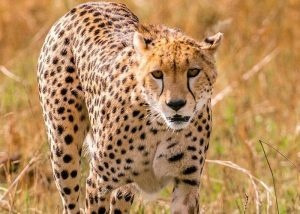
You can’t rush nature, my friend. Sometimes you’ll sit for an hour, or three, waiting for that perfect moment – a lion yawn, a cheetah hunt, a wildebeest leap. Our guides are masters of tracking and will help you anticipate, but your own patience is your greatest asset. It’s totally worth the wait.
Observing animal behavior before the action happens allows you to anticipate and compose your shot effectively.
Harnessing the Light
The African light is simply divine, especially during the ‘golden hour’ – those magical moments just after sunrise and before sunset. This soft, warm light creates incredible depth and drama in your photos. Seriously, set your alarm; you won’t regret those early starts!
Avoid shooting in the harsh midday sun if possible, as it often leads to flat, overexposed images with strong shadows.
Best Time for Migration Photography
| Month | Activity in Maasai Mara | Photography Focus |
|---|---|---|
| July | Arrival of herds, early river crossings | Drama, movement, river crossings |
| August | Peak river crossings, large herds | Iconic crossings, predator action |
| September | Herds dispersed, continued crossings | Predator-prey interactions, varied compositions |
| October | Herds moving south, smaller crossings | Vast landscapes, individual animal portraits |
Why Choose Blue Lilac Tours and Travel for Your Photographic Safari?
Why settle for anything less than the best when capturing the world’s most spectacular wildlife event? Blue Lilac Tours isn’t just another travel agency; we’re your dedicated partners in adventure, ensuring every aspect of your photographic safari is handled with meticulous care and local insight.
We believe your safari should be as unique as the images you capture, a truly personalized and safe journey.
- Safety is our absolute priority; we adhere to the highest standards to ensure your peace of mind throughout your adventure.
- We craft bespoke itineraries, perfectly tailored to your photographic interests and skill level, ensuring you get the shots you dream of.
- Our Maasai guides are not just drivers; they are wildlife experts and keen spotters, ensuring you’re always in the right place at the right time.
- From luxury lodges to authentic tented camps, we select accommodations that enhance your experience without compromising comfort or accessibility.
- We offer open-sided safari vehicles, specifically adapted for unobstructed photography, giving you clear views and stable shooting platforms.
- Local knowledge is invaluable, and our team provides unparalleled insights into animal behavior, migration patterns, and the best photographic angles.
Frequently Asked Questions
Q: What kind of camera equipment do I really need for a migration safari?
While a professional DSLR or mirrorless camera with a telephoto lens (300mm+) is ideal, even advanced bridge cameras can capture decent shots. Don’t forget extra batteries and memory cards; you’ll be shooting a lot!
Q: Is it safe to be so close to wild animals during a safari?
Absolutely! Our experienced guides prioritize your safety above all else. We maintain respectful distances from wildlife, and our safari vehicles are specifically designed for safe viewing. Listen to your guide, and you’ll be perfectly fine.
Q: When is the absolute best time to witness the Wildebeest Migration in Kenya?
The peak time to witness the spectacular river crossings in Kenya’s Maasai Mara is typically from July to October. However, the exact timing varies each year, depending on rainfall patterns, so flexibility helps.
Q: Can I charge my camera batteries in the safari camps?
Yes, most safari camps and lodges offer charging facilities, either in your tent/room or in communal areas. We recommend bringing a universal adapter, just in case, because, you know, tech can be finicky.
Q: What if I’m a beginner photographer? Will I still get good shots?
Of course! The sheer abundance of wildlife and dramatic landscapes ensures fantastic photo opportunities for everyone, regardless of skill level. Our guides can even offer basic tips on composition and lighting. You’ll be surprised what you capture!
Q: How do you ensure ethical wildlife viewing and photography?
Blue Lilac Tours is deeply committed to responsible tourism. We strictly adhere to park rules, never disturb animals for a photo, and ensure our presence has minimal impact on the environment. We believe in capturing beauty respectfully.
There you have it, folks! The Wildebeest Migration is an unparalleled photographic opportunity, a true masterpiece of nature’s drama waiting to be captured. It’s a journey that challenges your skills, rewards your patience, and leaves you with a gallery of images that tell an epic story. With the right preparation, the right mindset, and crucially, the right partner like Blue Lilac Tours, your photographic safari will be an adventure of a lifetime.
We are not just about tours; we are about creating profound connections between you, the wildlife, and the breathtaking Kenyan landscapes. Let’s make those photographic dreams a tangible, stunning reality.
Key Takeaways
- The Wildebeest Migration is a dramatic and unmissable photographic opportunity in Kenya.
- Proper camera gear, especially telephoto lenses and plenty of batteries, is essential for stunning shots.
- Patience, anticipation, and understanding natural light (especially golden hour) will significantly elevate your photography.
- Blue Lilac Tours offers expert-guided, safe, and personalized safari experiences tailored for photographers.
- Capturing this natural spectacle ethically and respectfully ensures a truly unforgettable and impactful adventure.
Ready to Capture Your Epic Story?
Don’t just dream about those incredible shots; make them a reality! The drama, the beauty, the sheer scale of the Wildebeest Migration awaits your lens, and Blue Lilac Tours is here to guide you every step of the way. We’re ready to craft your perfect photographic safari adventure. What are you waiting for, seriously?
Get in touch with us today to start planning your bespoke Kenyan journey. We can’t wait to hear from you!
Email: [email protected]
Phone: +254 715 405641 | +254 792 550 855
Or simply visit our Contact Us page to begin your adventure.

Blue Lilac
Best Tour & Travel Option
About Us
Blue Lilac Tours & Travel is a premier travel company dedicated to crafting exceptional Kenya safari experiences and curated international tour packages. We specialize in delivering seamless, end-to-end travel solutions tailored to the unique needs of individuals, families, and corporate groups across the globe.