Photographing Leopards with Night Vision: Insider Tips for 2026
At Blue Lilac Tours and Travel, we’re passionate about sharing our local Kenyan expertise with fellow adventure-seekers. Our personalized service ensures every trip is tailored to your unique needs and preferences. Whether you’re a seasoned photographer or a curious traveler, we invite you to join us on a journey to capture the ultimate shot – photographing leopards under the stars.
Logistics: The Art of Nighttime Photography
Before we dive into the nitty-gritty of nighttime photography, let’s talk logistics. You’ll need a reliable vehicle, a spotter, and of course, the right equipment. We recommend using a 4×4 vehicle for easy access to remote areas and a spotter to help locate those elusive leopards.
Packing Essentials
- Telephoto lens (200-500mm) for capturing images from a safe distance
- Infrared (IR) filter to enhance low-light images
- Batteries and backup power sources for your camera and other equipment
Must-See Highlights: The Magic of Infrared Photography
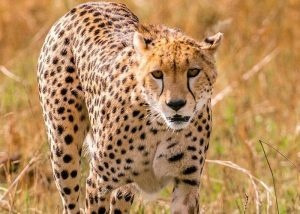
Infrared photography is a game-changer for nighttime photography. By capturing images in IR, you can reveal details that would otherwise be invisible to the naked eye. Imagine capturing the warm glow of a leopard’s eyes or the intricate patterns on its fur – it’s truly magical.
Shooting Tips
- Use a tripod to stabilize your camera and prevent camera shake
- Shoot in RAW format to capture the maximum amount of image data
- Experiment with different ISO settings to find the perfect balance between noise and image quality
Comparison: Night Vision Options for Leopard Photography
| Option | Price Range | Best Time to Visit |
|---|---|---|
| Infrared Filter | KES 10,000 – KES 20,000 | May – October |
| Spotlight | KES 20,000 – KES 50,000 | June – September |
| Full Moon Night Vision | KES 50,000 – KES 100,000 | January – March |
The Blue Lilac Advantage
At Blue Lilac Tours and Travel, we pride ourselves on providing a safe and personalized experience for all our guests. Our expert guides will ensure that you’re always in the right place at the right time to capture the perfect shot. Plus, with our custom itineraries, you can tailor your trip to suit your interests and budget.
Frequently Asked Questions
Q: What is a spotter, and why do I need one?
A spotter is an experienced guide who helps locate leopards and other wildlife in their natural habitat. Having a spotter can significantly increase your chances of capturing the perfect shot.
Q: Can I use my smartphone to take photos at night?
While smartphones have come a long way, they may not be the best option for nighttime photography. The lack of manual controls and limited low-light capabilities can result in subpar images. Consider investing in a dedicated camera for better results.
Q: How do I handle camera shake and noise in low-light images?
Use a tripod to stabilize your camera, and experiment with different ISO settings to find the perfect balance between noise and image quality. You can also consider using noise reduction software to minimize the impact of camera shake.
Q: Can I take photos of leopards during the day?
Of course! While nighttime photography can be challenging, capturing images of leopards during the day can be just as rewarding. Look for leopards in shaded areas or use a telephoto lens to capture their behavior without disturbing them.
Q: What is the best time to visit for leopard photography?
The best time to visit for leopard photography depends on your preference. If you’re looking for warm weather and dry conditions, visit during the dry season (May – October). If you prefer cooler temperatures and fewer tourists, visit during the shoulder season (April – May or September – November).
Q: Can I book a trip with Blue Lilac Tours and Travel?
Yes, you can! Contact us at [email protected] or +254 715 405641 / +254 792 550 855 to book your trip. We’ll be happy to tailor a custom itinerary to suit your needs and budget.
Conclusion & Key Takeaways
Photographing leopards at night is a thrilling experience that requires the right equipment, expertise, and planning. With the right tools and a bit of luck, you can capture the ultimate shot. Remember to pack essentials like a telephoto lens, infrared filter, and backup power sources. Don’t forget to experiment with different ISO settings and shooting techniques to achieve the best results.
Key Takeaways:
- Pack essentials like a telephoto lens, infrared filter, and backup power sources
- Use a tripod to stabilize your camera and prevent camera shake
- Experiment with different ISO settings to find the perfect balance between noise and image quality
- Consider investing in a dedicated camera for better results
Book Your Trip with Blue Lilac Tours and Travel
Ready to embark on an unforgettable adventure? Contact us at [email protected] or +254 715 405641 / +254 792 550 855 to book your trip. Our expert guides will ensure that you’re always in the right place at the right time to capture the perfect shot. Don’t wait – book your trip today and let’s make some unforgettable memories!
Visit our contact page to get in touch with us.

Blue Lilac
Best Tour & Travel Option
About Us
Blue Lilac Tours & Travel is a premier travel company dedicated to crafting exceptional Kenya safari experiences and curated international tour packages. We specialize in delivering seamless, end-to-end travel solutions tailored to the unique needs of individuals, families, and corporate groups across the globe.