
The Art of Panning: Creating Motion in Safari Shots 2026
Introduction
When it comes to capturing the perfect safari shot, it’s not just about getting up close and personal with the wildlife. It’s about freezing time and telling a story through movement. At Blue Lilac Tours and Travel, we know a thing or two about creating unforgettable experiences in the wild. With our local Kenyan expertise and personalized service, we’ll guide you through the art of panning and help you get the shot of a lifetime.
Logistics and Tips for Mastering Panning
Before you start snapping away, let’s talk logistics. Panning requires a combination of practice, patience, and the right equipment. To get started, you’ll need a camera with image stabilization, a tripod, and a subject that’s worth capturing.
Choosing the Right Equipment
- Camera: Look for one with image stabilization to help reduce blur.
- TriPod: Invest in a sturdy tripod to keep your camera steady.
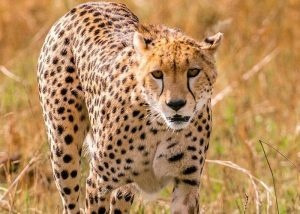
- Subject: Focus on fast-moving subjects like birds in flight or cheetahs on the hunt.
Understanding the Basics of Panning
Panning involves following a moving subject with your camera while keeping it in focus. To achieve this, you’ll need to track the subject’s movement and adjust your camera’s position accordingly. Practice makes perfect, so be sure to take plenty of shots and experiment with different techniques.
Best Practices for Capturing Stunning Panning Shots
When capturing panning shots, remember to:
- Use a slow shutter speed to create a sense of motion.
- Keep your camera steady and follow the subject’s movement.
- Focus on the subject’s eyes or a key feature to create a sense of connection.
Comparison of Panning Techniques
| Technique | Description | Result |
|---|---|---|
| Panning with a slow shutter speed | Freezes the subject while blurring the background | Creates a sense of motion and emphasizes the subject |
| Panning with a fast shutter speed | Captures a sharp subject against a blurred background | Creates a sense of speed and energy |
| Panning with a tripod | Reduces camera shake and allows for precise control | Results in sharper images with reduced blur |
The Blue Lilac Advantage
At Blue Lilac Tours and Travel, we know that every safari experience is unique. That’s why we offer customized itineraries, expert guides, and a focus on safety to ensure your trip is nothing short of unforgettable. When you choose Blue Lilac, you’re not just booking a tour – you’re investing in an experience that will stay with you forever.
Frequently Asked Questions
Q: What is panning in photography?
Panning is a photography technique that involves following a moving subject with your camera while keeping it in focus. This creates a sense of motion and emphasizes the subject.
Q: What equipment do I need for panning?
You’ll need a camera with image stabilization, a tripod, and a subject that’s worth capturing.
Q: How do I get started with panning?
Start by practicing panning with a tripod and a slow shutter speed. Experiment with different techniques and subjects until you find what works best for you.
Q: What’s the best time of day for panning?
The best time for panning is during the golden hour, when the light is soft and warm. Avoid panning in harsh midday light, as it can create unflattering shadows and highlights.
Q: Can I use a panhead for panning?
A panhead can be useful for panning, but it’s not a replacement for a tripod. A panhead can help you track the subject’s movement, but it may not provide the same level of stability as a tripod.
Q: How do I avoid camera shake when panning?
To avoid camera shake, use a tripod and keep your camera steady. You can also use a camera with image stabilization or a lens with optical stabilization.
Conclusion & Key Takeaways
In the world of safari photography, panning is an art form that requires patience, practice, and the right equipment. By mastering the basics of panning and following the tips outlined in this article, you’ll be well on your way to capturing stunning images that will leave everyone in awe.
- Panning involves following a moving subject with your camera while keeping it in focus.
- Use a slow shutter speed and a tripod to create a sense of motion and emphasize the subject.
- Choose the right equipment, including a camera with image stabilization and a subject that’s worth capturing.
Ready to Book Your Unforgettable Safari Experience?
Contact us today to plan your next safari adventure! Our local Kenyan expertise and personalized service will ensure that you get the most out of your trip. Don’t miss out on this opportunity to create lifelong memories – book now and let’s get started!
Get in touch with us:
Email: [email protected]
Phone: +254 715 405641 | +254 792 550 855
Want to learn more about our services and how we can help you plan your dream safari? Visit our contact us page today!

Blue Lilac
Best Tour & Travel Option
About Us
Blue Lilac Tours & Travel is a premier travel company dedicated to crafting exceptional Kenya safari experiences and curated international tour packages. We specialize in delivering seamless, end-to-end travel solutions tailored to the unique needs of individuals, families, and corporate groups across the globe.