Teleconverters vs. Cropping: Maximizing Your Reach in 2026
As a seasoned photographer and safari enthusiast, I’ve had my fair share of debates with fellow travelers about the best way to capture the perfect shot. Two of the most common questions I get asked are: “Should I use a teleconverter or crop my image?” and “What’s the best way to make the most of my camera lens?” At Blue Lilac Tours and Travel, we’re passionate about helping you get the shot you want without breaking the bank or straining your equipment. With over a decade of experience in Kenyan tourism, we’ve honed our skills in providing personalized service that meets your unique needs. Whether you’re a seasoned pro or a photography enthusiast, we’ve got you covered.
Logistics: Understanding Your Camera Equipment
Let’s start with the basics. A teleconverter, also known as a tele-extender, is an optical device that attaches to your camera lens and increases the focal length of your shot. This can be especially useful when you’re trying to capture wildlife or landscapes from a distance. However, it can also reduce the image quality and make your lens more prone to vignetting and chromatic aberration.
Pros and Cons of Teleconverters
- Pros: Increased focal length, useful for capturing distant subjects, compact and lightweight design.
- Cons: Reduced image quality, increased vignetting and chromatic aberration, may require adjustments to exposure settings.
Must-See Highlights: Capturing the Perfect Shot
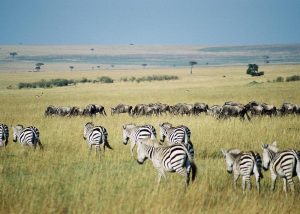
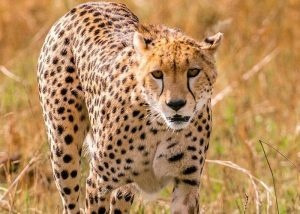
On a safari, you’re likely to encounter a wide range of stunning landscapes and wildlife. But how do you capture the perfect shot? The answer lies in understanding your camera equipment and using it to your advantage. For example, a good teleconverter can help you capture images of distant animals without disturbing them. Alternatively, you can crop your image to create a more intimate and dynamic shot.
When to Use a Teleconverter vs. Cropping
So, when should you use a teleconverter and when should you crop your image? The answer depends on your specific situation. If you’re trying to capture a distant subject and don’t want to compromise on image quality, a teleconverter is a good option. However, if you’re trying to create a more intimate and dynamic shot, cropping your image may be a better choice.
Comparison: Teleconverters vs. Cropping
| Feature | Teleconverter | Cropping |
|---|---|---|
| Pricing | $500-$1000 | Free (digital cropping) or $50-$100 (physical cropping) |
| Image Quality | Reduced image quality, increased vignetting and chromatic aberration | No reduction in image quality |
| Flexibility | Fixed focal length increase | More flexible cropping options |
The Blue Lilac Advantage
At Blue Lilac Tours and Travel, we understand the importance of getting the shot you want. That’s why we offer personalized service and expert guides who can help you make the most of your camera equipment. Our custom itineraries are designed to meet your unique needs and provide you with the best possible experience. So why choose us? Here are just a few reasons:
- We have over a decade of experience in Kenyan tourism.
- Our guides are expertly trained and passionate about photography.
- We offer personalized service and custom itineraries.
Frequently Asked Questions
Q: What is the best way to capture wildlife on a safari?
A: The best way to capture wildlife on a safari is to use a combination of teleconverters and cropping. This will allow you to capture distant animals without compromising on image quality. Additionally, our expert guides can help you find the best vantage points and provide tips on how to get the shot you want.
Q: Can I use a teleconverter with any camera lens?
A: No, not all camera lenses are compatible with teleconverters. It’s essential to check your camera manual or consult with a professional to ensure that your lens can be used with a teleconverter.
Q: How do I crop my image to create a more intimate shot?
A: Cropping your image is a simple process that can be done using photo editing software. To crop your image, select the area you want to keep and adjust the crop settings to create a more intimate and dynamic shot.
Q: What are the benefits of using a teleconverter?
A: The benefits of using a teleconverter include increased focal length, compact and lightweight design, and the ability to capture distant subjects without compromising on image quality. However, it’s essential to weigh these benefits against the potential drawbacks, such as reduced image quality and increased vignetting and chromatic aberration.
Q: Can I use a teleconverter with a wide-angle lens?
A: No, teleconverters are not designed to be used with wide-angle lenses. In fact, using a teleconverter with a wide-angle lens can result in increased distortion and aberrations. It’s essential to use a teleconverter with a lens that has a narrower angle of view.
Q: How do I choose the right teleconverter for my camera?
Conclusion & Key Takeaways
In conclusion, the choice between a teleconverter and cropping ultimately depends on your specific situation and camera equipment. By understanding the pros and cons of each option, you can make an informed decision and capture the perfect shot. Remember to consider the pricing, image quality, and flexibility of each option when making your decision.
- Teleconverters can increase focal length and be useful for capturing distant subjects.
- Cropping can create a more intimate and dynamic shot without compromising on image quality.
- It’s essential to weigh the benefits and drawbacks of each option and consider your specific situation and camera equipment.
Ready to Book Your Dream Safari?
At Blue Lilac Tours and Travel, we’re passionate about helping you capture the perfect shot on your safari. Our expert guides and personalized service will ensure that you get the most out of your camera equipment and experience the adventure of a lifetime. Contact us today to book your dream safari and let us help you make unforgettable memories.
Phone: +254 715 405641 | +254 792 550 855
Email: [email protected]
Visit our Contact Us Page to learn more and book your safari today!

Blue Lilac
Best Tour & Travel Option
About Us
Blue Lilac Tours & Travel is a premier travel company dedicated to crafting exceptional Kenya safari experiences and curated international tour packages. We specialize in delivering seamless, end-to-end travel solutions tailored to the unique needs of individuals, families, and corporate groups across the globe.