Ethnoastronomy: The Samburu and the Lunar Patterns
The Samburu and the Lunar Patterns: Unveiling the Secrets of Ethnoastronomy in 2026
About Blue Lilac Tours and Travel
At Blue Lilac Tours and Travel, we pride ourselves on our extensive local knowledge and personalized service. Our expert guides are always ready to share the hidden gems and unique experiences that only a local would know. Whether you’re a seasoned traveler or just starting to explore the world, we’re here to make your Kenyan adventure unforgettable. Don’t just take our word for it – get in touch with us today at [email protected] or +254 715 405641 / +254 792 550 855 to start planning your dream trip.
Logistics and Preparation
Getting There and Away
Located in northern Kenya, the Samburu National Reserve is easily accessible by air or land. The nearest airport is in Nanyuki, and from there, you can take a short flight to Samburu airstrip. Alternatively, you can drive from Nairobi, which takes around 5 hours. FYI, it’s always a good idea to check with your tour operator for the best travel options.
Best Time to Visit
The best time to visit the Samburu National Reserve is during the dry season, from July to October. This is when the temperatures are pleasant, and the wildlife is more concentrated around water sources. But, IMO, the real secret to experiencing the best of Samburu lies in understanding the lunar patterns.
Must-see Highlights
The Samburu People and Their Connection to the Stars
The Samburu people have a deep understanding of the night sky and have developed a rich tradition of ethnoastronomy. They believe that the stars are the ancestors’ spirits, guiding them through life and death. As you watch the sunset over the reserve, you’ll see the Samburu people gathering around the fire, sharing stories and myths about the constellations.
The Lunar Cycle and Wildlife Behavior
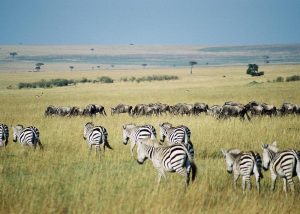
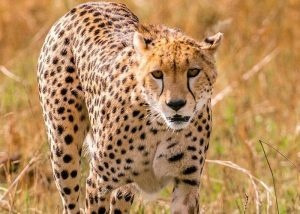
The lunar cycle plays a significant role in the behavior of wildlife in the Samburu National Reserve. During the full moon, many animals become more active, and predators like lions and leopards are more likely to hunt. On the other hand, during the new moon, the wildlife is more elusive, and the best time for spotting them is early in the morning or late in the evening.
Travel Tips and Advice
Respecting the Local Culture
- Always dress modestly when visiting the Samburu community.
- Remove your shoes before entering their homes or sacred sites.
- Be respectful of their traditions and customs.
Comparison of Lunar Patterns in Ethnoastronomy
| Lunar Phase | Wildlife Behavior | Best Time for Visiting |
|---|---|---|
| Full Moon | Animals are more active, predators are more likely to hunt. | Nighttime, but be aware of the increased risk of predators. |
| New Moon | Wildlife is more elusive, best time for spotting is early morning or late evening. | Early morning or late evening, when the sun is not too intense. |
The Blue Lilac Advantage
At Blue Lilac Tours and Travel, we offer customized itineraries and expert guides who are passionate about sharing the secrets of the Samburu and their connection to the stars. Our safety record is impeccable, and we take pride in providing a unique and unforgettable experience for our clients. So why choose us? Here are just a few reasons:
- Our local knowledge and expertise ensure that you get the most out of your trip.
- We offer customized itineraries tailored to your interests and preferences.
- Our expert guides are passionate about sharing the secrets of the Samburu and their connection to the stars.
Frequently Asked Questions
Q: What is ethnoastronomy?
Ethnoastronomy is the study of the cultural significance of the night sky and the way different cultures perceive and understand the stars. In the case of the Samburu people, their ethnoastronomy is deeply intertwined with their spiritual beliefs and practices.
Q: Can I visit the Samburu National Reserve during the rainy season?
Yes, you can visit the Samburu National Reserve during the rainy season, but be aware that the roads may be slippery, and the wildlife may be more scattered. It’s always a good idea to check with your tour operator for the best travel options.
Q: Are the Samburu people friendly?
Yes, the Samburu people are known for their hospitality and warmth. They are eager to share their culture and traditions with visitors, and they will often invite you to join them for meals or other activities.
Q: Can I learn more about the Samburu people and their connection to the stars?
Yes, you can learn more about the Samburu people and their connection to the stars through our expert guides and local communities. We offer a range of activities and experiences that allow you to immerse yourself in their culture and traditions.
Q: What is the best time of year to visit the Samburu National Reserve?
The best time to visit the Samburu National Reserve is during the dry season, from July to October. This is when the temperatures are pleasant, and the wildlife is more concentrated around water sources.
Q: Can I bring gifts for the Samburu people?
No, it’s not recommended to bring gifts for the Samburu people. Instead, consider donating to local community projects or supporting sustainable tourism initiatives that benefit the community.
Conclusion & Key Takeaways
The Samburu and the Lunar Patterns is a unique and fascinating topic that offers a glimpse into the rich cultural heritage of the Samburu people. By understanding the lunar patterns and the way they influence wildlife behavior, you can have a more immersive and unforgettable experience in the Samburu National Reserve. Here are the key takeaways:
- The Samburu people have a deep understanding of the night sky and their ethnoastronomy is deeply intertwined with their spiritual beliefs and practices.
- The lunar cycle plays a significant role in the behavior of wildlife in the Samburu National Reserve.
- Respecting the local culture is essential when visiting the Samburu community.
Book Your Dream Trip Today!
Ready to experience the magic of the Samburu and their connection to the stars? Get in touch with us today at [email protected] or +254 715 405641 / +254 792 550 855 to start planning your dream trip. Visit our contact us page for more information and to book your tour.

Blue Lilac
Best Tour & Travel Option
About Us
Blue Lilac Tours & Travel is a premier travel company dedicated to crafting exceptional Kenya safari experiences and curated international tour packages. We specialize in delivering seamless, end-to-end travel solutions tailored to the unique needs of individuals, families, and corporate groups across the globe.